


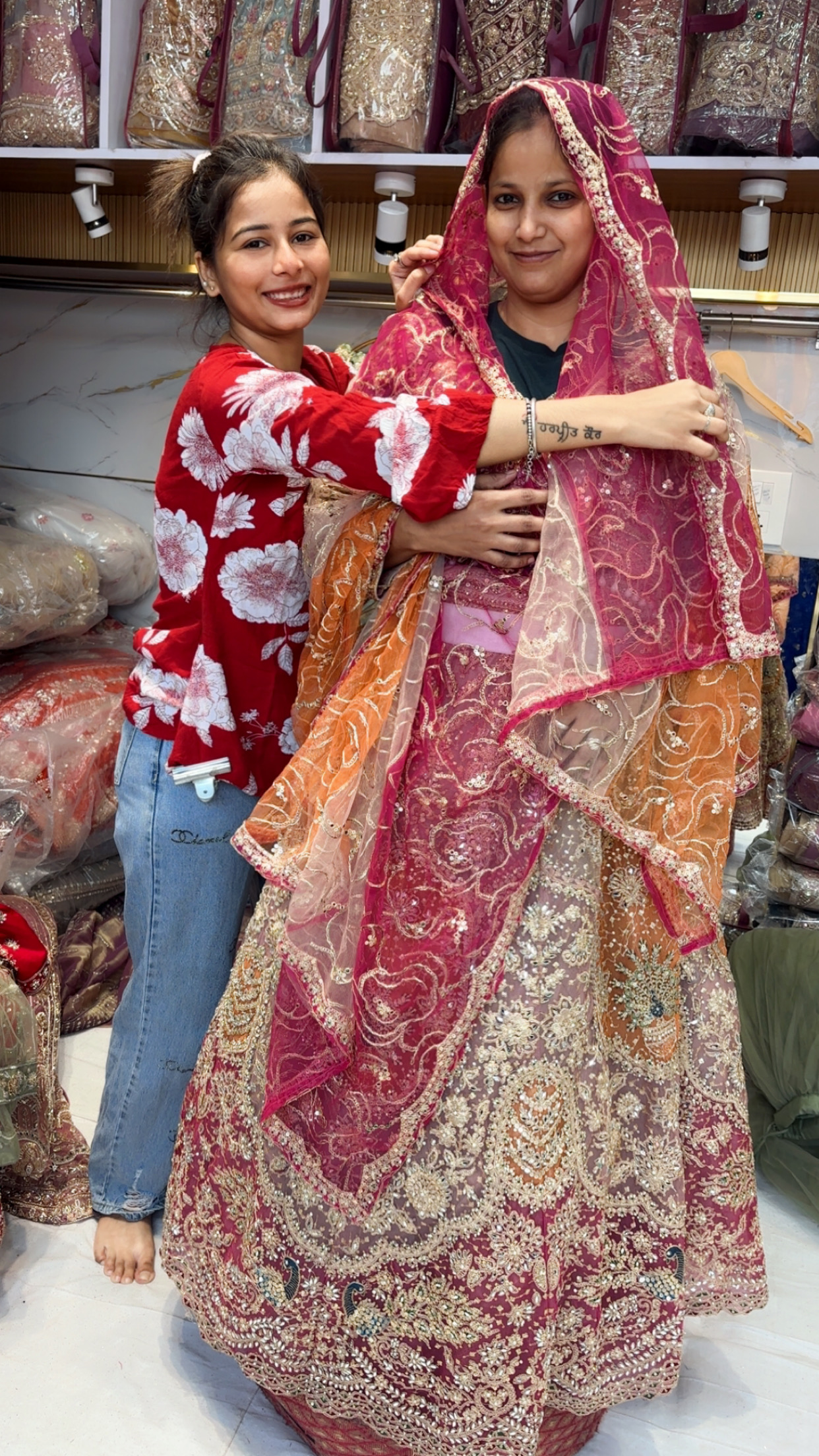
Harmanpreet Kaur is a creative professional working as a Costume Designer. Her professional identity is connected with wardrobe planning, character styling, visual presentation, and production design.
A Costume Designer studies the script and understands what each character should wear according to the story, location, period, personality, and situation.
The work requires coordination with directors, actors, makeup artists, art directors, cinematographers, stylists, tailors, and production teams.
Harmanpreet Kaur’s journey reflects the balance between creativity and practical execution required in professional costume design.
The Role of a Costume Designer
A Costume Designer is responsible for developing the wardrobe identity of characters in a project.
Depending on the production, the role may include:
Character costume planning
Wardrobe selection
Fabric selection
Colour coordination
Costume fittings
Traditional and modern styling
Costume continuity
Accessories selection
Coordination with tailors and wardrobe teams
Understanding period and cultural requirements
Working with actors and directors
A strong Costume Designer ensures that clothing looks appropriate for both the character and the story.
Journey from 2021 to 2026
From 2021 to 2026, the entertainment industry expanded across regional cinema, OTT platforms, music videos, advertisements, web series, short films, and independent digital projects.
This growth created increasing opportunities for costume designers and wardrobe professionals.
For Harmanpreet Kaur, this period can be viewed as a phase of creative development, practical experience, and professional growth.
Every production presents a different challenge. One project may require traditional Punjabi clothing, while another may need contemporary styling, formal wear, rural costumes, period clothing, or highly stylised screen looks.
Working across these requirements helps a Costume Designer develop stronger creative judgment and practical experience.
Costume Design and Character Development
Costume is one of the fastest ways to communicate information about a character.
Before a character speaks, the audience may already understand something about that person from clothing, colours, accessories, and styling.
A costume can help communicate:
Age
Profession
Social status
Cultural background
Personality
Lifestyle
Historical period
Emotional condition
This makes costume design an important part of storytelling.
Harmanpreet Kaur’s role as a Costume Designer contributes directly to how characters are understood visually.
Understanding the Script
Professional costume design begins with the script.
The Costume Designer needs to understand the characters, locations, timeline, relationships, and emotional progression of the story.
A character may look different at the beginning of a story compared with the end. Clothing can subtly reflect changes in confidence, lifestyle, relationships, or emotional state.
Harmanpreet Kaur’s work therefore requires more than fashion knowledge. It requires an understanding of storytelling and character development.
Colour and Visual Coordination
Colour plays an important role in costume design.
Different colours can influence how a character appears on screen. Costume colours also need to work with locations, production design, lighting, and cinematography.
A Costume Designer may coordinate with the Director of Photography and Art Director to ensure that wardrobe does not clash with the visual environment.
Harmanpreet Kaur’s work involves considering how fabrics, textures, patterns, and colours will appear under different lighting conditions and camera setups.
Traditional and Cultural Styling
Indian entertainment frequently requires strong understanding of regional and traditional clothing.
Punjabi and North Indian productions may involve suits, salwar kameez, dupattas, lehengas, traditional jewellery, turbans, formal clothing, rural styling, and contemporary Punjabi fashion.
Accuracy is important because audiences quickly notice incorrect cultural presentation.
A Costume Designer must understand how clothing differs according to age, region, occasion, social background, and character personality.
Harmanpreet Kaur’s work as a Costume Designer can therefore contribute to maintaining authenticity while still creating visually appealing characters.
Working with Actors
Costumes need to look correct, but they must also allow actors to perform comfortably.
A Costume Designer works with actors during fittings to ensure that clothing fits properly and supports movement during scenes.
Different scenes may involve:
Walking
Running
Dancing
Action
Sitting
Emotional performances
Outdoor shoots
Long production hours
The designer must consider both appearance and practicality.
Harmanpreet Kaur’s role requires balancing character styling with the physical requirements of performance.
Costume Continuity
Continuity is one of the most important technical responsibilities in costume work.
Films and series are rarely shot in chronological order. Scenes that appear next to each other in the final project may be filmed days or weeks apart.
The costume team therefore needs to maintain detailed records of:
Clothing
Accessories
Jewellery
Footwear
Sleeves and folds
Buttons
Damage or stains
Character changes
Even small continuity mistakes can become noticeable on screen.
Strong organisation is therefore essential for a professional Costume Designer.
Working with Directors and Creative Teams
Costume design is highly collaborative.
Harmanpreet Kaur’s role may require coordination with:
Directors
Producers
Cinematographers
Art Directors
Makeup Artists
Hair Stylists
Actors
Wardrobe Assistants
Tailors
Production Managers
The director establishes the creative vision, while the Costume Designer helps translate that vision into the visual identity of each character.
Strong communication between departments helps ensure consistency across the entire production.
Creativity Within a Budget
Costume design must operate within real production budgets.
A designer may have an ambitious visual idea, but it still needs to be practical within available resources.
This can involve deciding whether costumes should be:
Purchased
Rented
Custom made
Altered
Reused
Sourced locally
A strong Costume Designer knows where spending will create the most visual impact while controlling unnecessary costs.
This balance between creativity and resource management is an important part of Harmanpreet Kaur’s professional role.
Behind-the-Scenes Contribution
Costume Designers work primarily behind the camera, but their contribution appears throughout the final production.
Every costume visible on screen has the potential to influence how audiences perceive the character.
Strong costume design can make a production feel polished, culturally accurate, believable, and visually consistent.
Harmanpreet Kaur’s work belongs to this behind-the-scenes creative process where styling becomes part of storytelling rather than simply decoration.
Building a Professional Identity
Recognition for Costume Designers is usually built through strong project work, verified credits, professional relationships, and a clear portfolio.
To strengthen her professional identity, Harmanpreet Kaur can maintain:
Updated IMDb profile
Verified Costume Designer credits
Costume design portfolio
Character look photographs
Behind-the-scenes images
Mood boards and design references
Professional social media presence
Short professional biography
Project links
Interviews or media coverage
A visual portfolio is particularly important because costume design is best demonstrated through actual character looks and production work.
Digital Presence and IMDb Visibility
Digital visibility has become important for behind-the-scenes professionals as well as actors and directors.
Producers, filmmakers, stylists, and production houses frequently search professionals through Google, IMDb, Instagram, and industry databases.
For Harmanpreet Kaur, maintaining a clear professional identity is especially important because several public figures and entertainment professionals share the same name.
Using the same full professional name, photographs, role description, biography, and verified project credits across platforms can help create stronger search visibility.
Future Scope
The demand for Costume Designers continues across films, OTT series, television, music videos, advertisements, branded content, and independent productions.
As screen productions become more visually sophisticated, costume design becomes increasingly important.
For Harmanpreet Kaur, future growth can come through stronger project credits, larger productions, collaborations with directors and production designers, portfolio development, and consistent professional visibility.
Experience across traditional, modern, commercial, and character-driven styling can further strengthen her career opportunities.
Conclusion
Harmanpreet Kaur’s journey as a Costume Designer reflects creativity, visual understanding, cultural awareness, organisation, and dedication to screen production.
Costume design plays an important role in defining characters and strengthening the visual identity of a story. From fabric and colour selection to fittings, continuity, and final styling, every detail contributes to the audience’s experience.
Harmanpreet Kaur’s work belongs to this creative process where fashion, storytelling, and production requirements come together.
As she continues to develop professionally, Harmanpreet Kaur can strengthen her identity as a Costume Designer through consistent work, verified credits, and a portfolio that clearly demonstrates her contribution to visual storytelling.